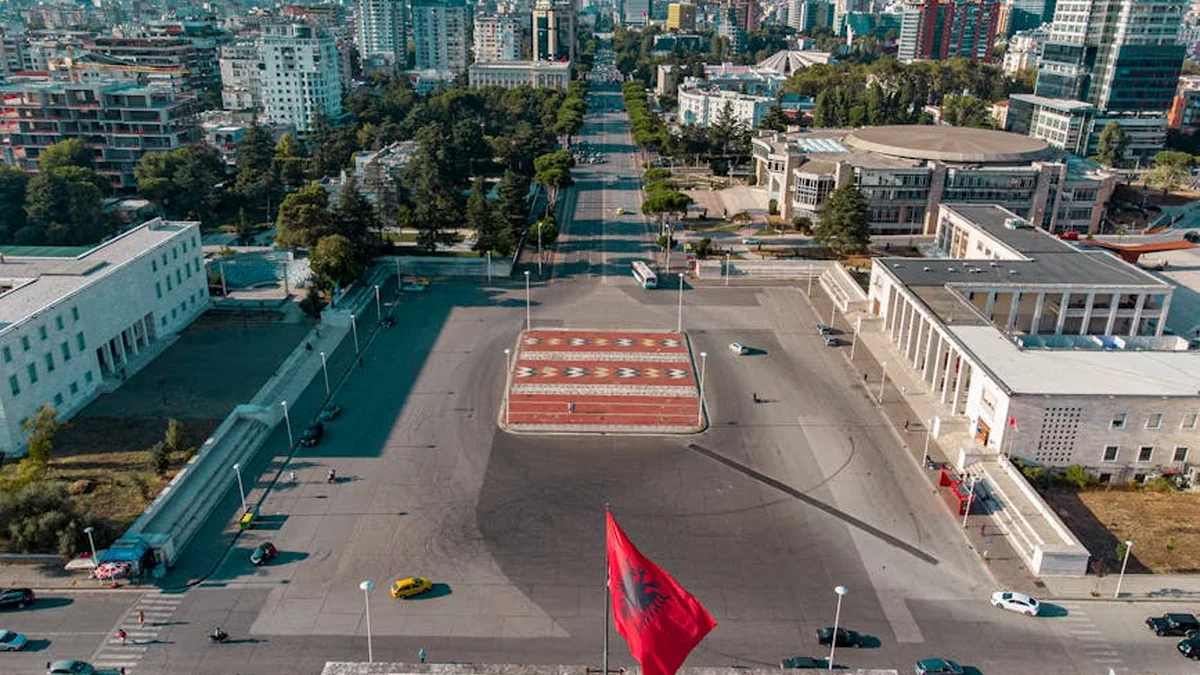
Concerns Raised Over Construction Boom in Tirana, Potential Money Laundering
Tirana Times – April 11, 2026 – The rapid construction boom reshaping Tirana’s skyline is raising serious questions about the source of funding, with analysts and journalists suggesting a significant portion of the investment may be linked to illicit activities. The proliferation of high-rise buildings – currently numbering 107 with an average height of 20 floors – is fueling concerns about distorted market dynamics and potential money laundering. Between 2015 and the end of 2025, Albania approved 9.9 million square meters of construction permits, with 4.8 million specifically for high-rise buildings.
Construction costs average between 2,000 and 3,000 euros per square meter, representing a substantial capital investment. However, market demand does not appear to justify this scale of development. “The usefulness of towers in serving other businesses is unclear,” says analyst Neritan Sejamini.
“We are not in a country where foreign companies are arriving in large numbers, nor is there a significant increase in public welfare to support such high-quality units.”
The average apartment sale price in Tirana has risen to 1,833 euros per square meter, with some areas reaching 3,000 to 4,500 euros, far exceeding the affordability of most Albanians. Simultaneously, the city has a significant number of unoccupied housing units – 52,871, including 39,765 apartments – and population growth has slowed considerably. Economist Pano Soko argues that the market is not driven by natural demand, suggesting many apartments are being used as vehicles for storing capital.
Investigations have highlighted the potential involvement of organized crime. Decryption of the SKY ECC encrypted app revealed the growing power of Albanian criminal groups involved in narcotics trafficking, with money flowing into the Albanian economy through construction, money transfer companies, and cash-based businesses. Journalist Klodiana Lala and Andi Tela have reported on cases of newly formed companies, lacking financial history, being awarded major construction permits, suggesting a clear pathway for laundering illicit funds.
Economist Zef Preçi estimates that the informal and criminal economy could account for over one third of Albania’s GDP, potentially nearing 40 percent, with construction serving as a primary “washing machine.”
The municipality of Tirana relies heavily on construction-related revenue, projecting 83 million euros from infrastructure impact taxes and 43 million euros from property taxes for 2026. This situation highlights a potential systemic failure, with the state potentially legitimizing illicit funds through permits, taxes, and a lack of rigorous scrutiny. The influx of money, regardless of its origin, is contributing to economic growth, but experts warn this is a symptom of a distorted economy.
Topics: #money #albania #tirana

This development demands a thorough investigation to ensure transparency and accountability in Tirana’s burgeoning construction sector.
What regulatory oversight is in place to ensure the financial transactions supporting this construction boom are legitimate?